
What we are actually looking for in land and in a landholder
The structure that makes genuine collaboration possible — and what collapses it

The last piece ended with a question:
Can an intentional, coherent group of humans meet their foundational needs together — from living land, in genuine relationship with each other and the earth — and offer what they learn to others in real time?
That question cannot be answered inside a container someone else controls. Which means before we can talk about what we’re building, we have to talk about what holds it.
A healthy watershed works because its tributaries arrive from different origins. Ridge water, slope runoff, groundwater, wetland seep — each one flows through its own terrain, carries its own chemistry, and brings something the others don’t. The basin at the center is healthy because the inputs are distinct. The moment two tributaries merge upstream and begin flowing as one, you lose the diversity that makes the whole system resilient. You also lose the ability to trace what went wrong when something does.
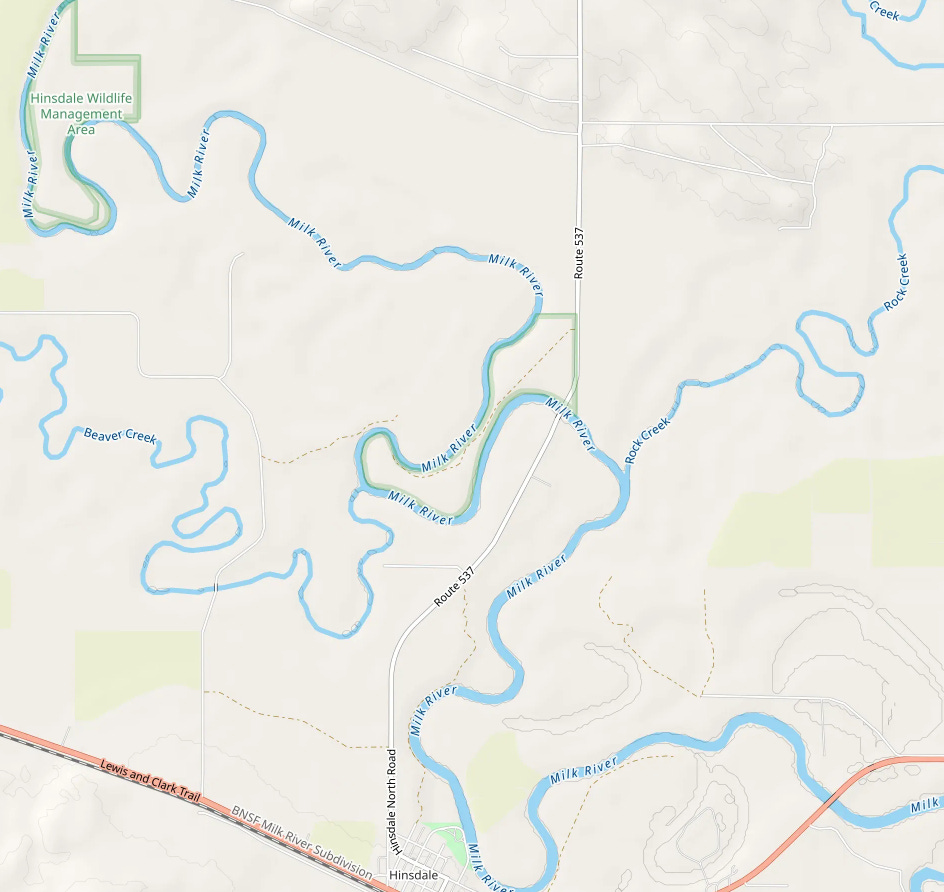
This project has three tributaries: land, people, and money. Each one is load-bearing. Each one has to arrive from a separate source — or the whole thing reproduces the control dynamics it was supposed to escape.
This is not theoretical. It is the specific failure mode of the project I described in the previous piece: land and money flowing from the same source, authority concentrating where capital concentrated, the collaborative frame real until it wasn’t. Two tributaries merged upstream. The basin downstream had nowhere to go when one of them dried up.
The land tributary: a piece of ground with the physical capacity to support a small community — ecologically, hydrologically, legally. The land is not just one of three inputs. It is the basin itself. The terrain everything else flows through. What arrives here, what can grow here, what the land will and won’t support — these are not variables in a human plan. They are the conditions the plan has to meet.
The people tributary: a small cohort of self-regulating adults with real skills, genuine governance capacity, and the willingness to choose their sacrifice. This includes the governance structure itself — sociocratic, consent-based, with no single person able to terminate the experiment unilaterally.
The money tributary: a capital source structurally independent of whoever holds the land. This is the protection clause that makes everything else survivable. The moment land and money flow from the same source, dependency re-enters through the back door regardless of how good the documents are.
This piece is about the land tributary and the landholder. The people and money tributaries get their own pieces.
The landholder
There are two viable models for how a landholder relates to this project. Each has a completely different risk profile and requires completely different assessment.
Present partner — the landholder is on or near the land and participates in the project. Governance, self-regulation, and shared authority are live dynamics that need to be assessed in the person directly. The upside: genuine investment, embodied stake, full presence. The risk: a dysregulated landholder in the room reshapes the community around their nervous system regardless of what the documents say.
Absent with released reins — the landholder offers the land and steps back. But the frame here is critical. Not loose reins — that still implies the reins exist and are being held loosely. The actual requirement is genuine release.
The absent landholder’s failure mode is not dysregulation in the room. It is the quiet veto from a distance. The drift from “hands off” to “actually I have opinions about this.” The sudden return that reorganizes the community around the visitor’s presence. The slow recentralization of authority that happens not through conflict but through accumulated small redirections.
The structural requirement here is not absence. It is genuine release.
The landholder must be willing to offer the land as a gift to the experiment — understanding that for the premise to be tested honestly, the community needs real autonomy. Not managed autonomy. Not autonomy-with-check-ins. The kind that allows the experiment to produce an answer that wasn’t scripted in advance.
Before anything else — dealbreakers
All must be true regardless of which landholder model applies.
Land is genuinely offered into the experiment.Not managed from a distance with quiet veto retained. The landholder understands that an experiment means real outcomes they didn’t script — and they are offering the land into that uncertainty.
Housing exists or has a credible, documented pathway.Existing structure, permitted site, or a concrete plan with zoning already understood. Not intention. A real place to live from day one, or a hard timeline to one.
Legal structure supports the actual arrangement.Compatible with evolving shared stewardship — fee simple with documented willingness to move toward Community Land Trust (CLT), conservation trust, or co-op, or already structured that way. The legal form must make hidden power asymmetry impossible over time.
Exit protocol is documented before commitment.What happens if the landholder needs to sell? What happens if the community needs to leave? A documented answer in place before anyone roots their life in the land.
Land costs are open and shared.Taxes, insurance, maintenance, debt if any. A community making long-term commitments needs to understand the financial obligations of the ground they’re rooting into. Reluctance to share these numbers is a structural red flag regardless of relationship quality.
Landholder assessment — present partner
Shared authority is the actual structure, not just the language.They can describe concretely how decisions will be made and what they are genuinely willing to not control. If the answer drifts to “we’ll figure it out together,” that is a no.
Self-regulating — aware of their nervous system and what activates it. They can name what triggers them and whether they have developed the capacity to pause before acting from that state.
Demonstrated self-reflection, not claimed. Actual examples of catching themselves and changing course — not “I’m very self-aware.” With self-reflection comes applied accountability, the internal feedback loop of integrity.
They have done some version of their own inner work. Therapy, conflict process, community accountability, serious practice — something that involved sitting with their own patterns, not just the world’s problems.
They understand that culture is as load-bearing as any physical structure. How people make decisions, handle conflict, talk about money — treated as design problems, not things that sort themselves out when the right people arrive.
Landholder assessment — absent with released reins
They can articulate in writing what decisions require their involvement and what don’t. The list of what requires their involvement is short and specific, not open-ended.
They have a named, documented process for when they disagree with a community decision made in their absence. That process does not include unilateral reversal.
They understand that visiting the land means entering the community’s container, not the other way around. And they have genuinely accepted that before committing.
They have thought about what happens when circumstances change. Retirement, financial pressure, family situation — a governance answer documented before commitment, not a feeling about how it will probably go.
They can describe what a successful experiment looks like from their perspective. And that description does not require the community to have built what they personally imagined.
The land itself
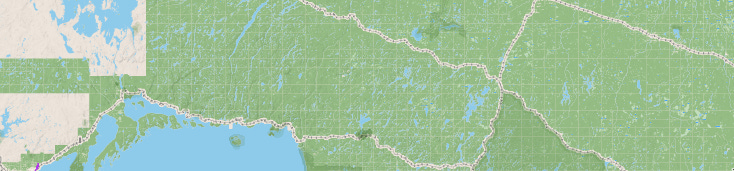
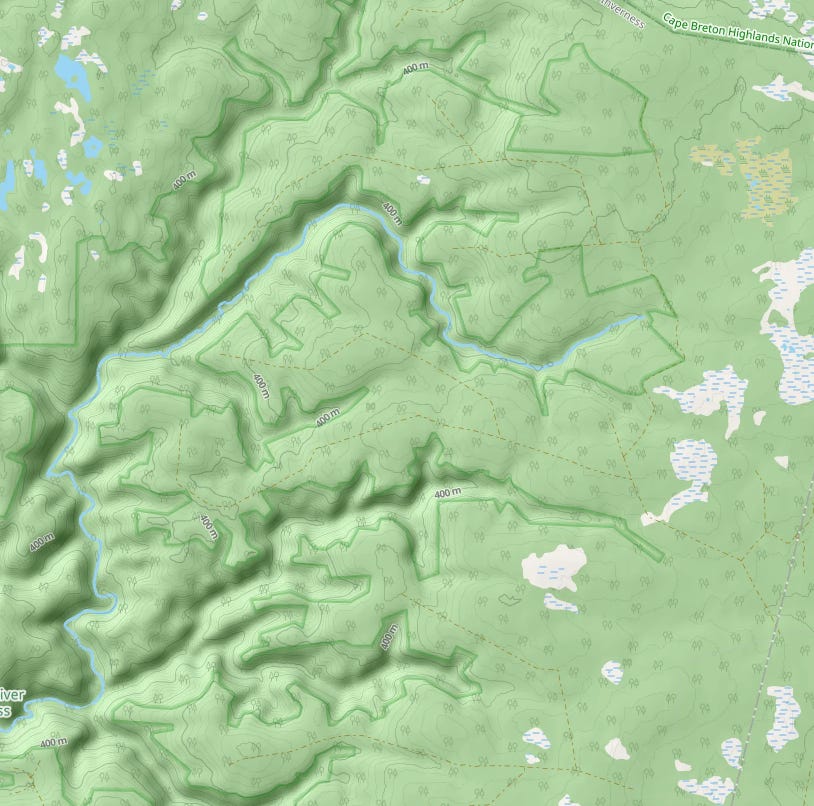
On a river system. ideal - River proximity predicts well-drained, deep horticultural soils, reliable water access, and a natural corridor for wildlife. Highest quality signal on this list.
Water feature on or adjacent. ideal - Pond, creek, lake, or wetland edge. Irrigation potential, habitat diversity, and quality of life for people living there long-term.
Groundwater development capacity. ideal - Known aquifer yield or assessment suggesting the site can support domestic demand and meaningful irrigation — not just a single household well. Legal water rights to develop additional capacity confirmed or pursuable.
Strong woodlot present. ideal - Mature or recovering forest with timber, firewood, and habitat value. Infrastructure for energy, building material, and long-term ecological health.
Agricultural land that is restorable or has a farming history. History of cultivation suggests soil structure, drainage patterns, and microclimates that are legible and workable.
Potable water access is secure and understood. Well, spring, or municipal — with clarity on quality, seasonality, and legal standing.
Soil history is known and honestly described. Compaction, drainage, spray history, tillage patterns. Ideally a soil test exists. Minimum: walked with someone who knows what to look for and will tell you what they found.
Infrastructure is honestly inventoried. What exists, what works, what’s aspirational. A barn with a bad roof is workable. A barn described as “good bones” when it needs to come down is a different problem.
Zoning and permitted uses are already understood. The landholder knows what’s actually permitted — and has checked recently, not just at time of purchase.
Energy and off-grid viability
At least one viable primary energy source. ideal - Solar exposure, micro-hydro, or wind — considered as an actual design criterion, not just theoretically possible.
Woodlot supports a sustainable thermal strategy. Can sustain harvest for heat without being mined. Managed coppice, deadfall, or sustainable rotation.
Grey water, composting, and waste systems are feasible on site. Setbacks, soil percolation, septic capacity. Off-grid means closing all the loops, not just the energy one.
Context
A town within reasonable distance — accommodating or refit-able. ideal - Doesn’t need to be thriving. A derelict small town with space for community enterprise may be better than a polished one with no room. The question is whether there’s a context that could support a genuine bridge to the broader world.
Local context isn’t actively hostile to alternative land use. Doesn’t need to be welcoming. A read on whether the municipal culture is rigid or curious — especially in the absent model where the community represents itself without a local landholder to buffer.
Road access is functional year-round. Remote is fine. Seasonally stranded is a constraint that needs to be named and planned for — not discovered after commitment.
What disqualifies a landholder
Not personality failures. Structural incompatibilities.
A landholder who holds land and capital simultaneously — regardless of how generous the intention. The watershed needs three distinct tributaries.
A landholder who cannot describe, in concrete terms, what they are genuinely willing to not control.
A landholder who frames collaborative language around a picture that was already painted before anyone else arrived.
A landholder whose stability — financial, emotional, identity — depends on the project succeeding in a particular way. That dependency will eventually assert itself as control.
A landholder who will not open what the land costs to carry annually. A community making long-term commitments needs to understand the financial obligations of the ground they’re rooting into.
A landholder for whom the Instagram version of regenerative agriculture is the destination rather than the evidence that something real happened here.
· · ·
This is not a screening form. It is a shared map for understanding whether a genuine partnership is possible. Both parties should be able to answer these questions — and both should want to.
· · ·
The experiment being run is simple to state and hard to actually do.
The land is where the question gets tested. Not as backdrop, or aesthetic, or someone’s vision of what regenerative agriculture should look like.
The land as third party. As co-collaborator. As the entity with the longest memory of anyone in the room and the final say on what actually grows here.
We are looking for land that is ready for that kind of relationship.
And a landholder who is, too.
John Free is a farmer, writer, and single parent building The Threshold — a collaborative land experiment rooted in reciprocity, real governance, and the conviction that we were never meant to do this alone. This is the third piece in the Bridging the Commons series. The next piece addresses the people tributary — who the core group is, how they are assembled, and what genuine co-founding actually looks like. Read the full series at Bridging the Commons. Reach out at GreenAlchemy.io.
The The communities that do work are extremely selective. They don’t advertise. They don’t recruit. They protect their ecosystem because they know how fragile alignment is. And this is why I eventually chose Mexico — not because it’s easier, but because community is already woven into the culture. Reciprocity is normal. People rely on each other without extracting from each other. The soil for community is already fertile. You don’t have to manufacture it from scratch.
So yes — the model you’re describing is possible. But only when ownership and community are separated, not merged. The landholder has to be sovereign. The structure has to be stable. Community has to be optional, not foundational. Otherwise the same pattern repeats: hope → labor → imbalance → extraction → collapse.
That’s why your writing reads like a fantasy at times — not because the vision is wrong, but because the structure you keep imagining it inside is the same one that keeps hurting you. The model you’re describing only works if the landholder is clear, stable, and structurally independent. And the truth is, you can’t build this inside someone else’s container. You can only build it from a place of sovereignty.
What you’re describing is beautiful, but it only works when the structure matches the reality of how humans actually behave — not how we wish they behaved. The gap I keep seeing in your writing is the gap between the ideal and the terrain. You’re mapping the architecture of a coherent, collaborative micro‑culture, but the inputs required for that system almost never exist in America.
I spent five years trying to build exactly the kind of community you’re talking about. What I learned is that the idea of community and the lived reality of community are two different worlds. Most people want access, not contribution. They want the vibe, not the labor. They want the benefits, not the responsibilities. Unless you already have a handful of deeply aligned people, you’re not building a community — you’re building a magnet for takers, dreamers, and people who collapse under the weight of real accountability.
That’s why so many attempts fall into the same loop: one person becomes the load‑bearing center, everyone else orbits, the system extracts everything from the person doing the real work, and when the weight becomes impossible, the collapse gets framed as personal failure instead of structural design.